Environmental & Water Stewardship
Designed to minimize water use, the project draws approximately seven hundred-thousandths of one percent of the total available water supply, based on a 300-year water supply, and requires closed-loop systems for all users.
That is 0.00007%
Elbert County’s elected officials have implemented some of Colorado’s more conservative long term groundwater planning requirements. While many Colorado jurisdictions evaluate water availability using a 100-year planning horizon, Elbert County applies a 300-year groundwater supply framework designed to support long term aquifer sustainability. As a result, the project’s initial adjudicated water rights were reduced by approximately two thirds to comply with the County’s 300-year standard.
The Laramie–Fox Hills aquifer, the only aquifer beneath the property, supplies adjudicated water that represents approximately seven hundred-thousandths of one percent of the total available water supply, based on a 300-year water supply. Production from this source is not expected to impact wells in Elbert County or those drawing from the Dawson, Denver, or Arapahoe aquifers. All users will operate closed-loop water systems where applicable, recirculating and reusing water to minimize overall demand.

Water conservation is central to the project design.
Water conservation is central to the project design. The development is planned around a comprehensive water management strategy intended to protect regional water resources, minimize potable demand, and maximize reuse. This approach follows a proven model where potable water is delivered for indoor use, wastewater is collected and treated, and the cleaned effluent is reused for outdoor non potable irrigation. This creates a circular system that reduces freshwater demand and supports long term water sustainability.
A circular water usage philosophy is applied at Colorado Plains Ranch. Outdoor irrigation will be minimized through low water landscape design, native planting, and limited irrigated areas. A water reuse system will be implemented so that non-potable water discharged within the project can be captured, treated, and reused to the greatest extent commercially viable. Industrial users will be required, where feasible, to utilize closed loop systems, recycled process water, and non potable supplies in place of fresh potable water.
Water and environmental impacts depend on design, not scale. Scalable industrial development can be efficient when designed responsibly.
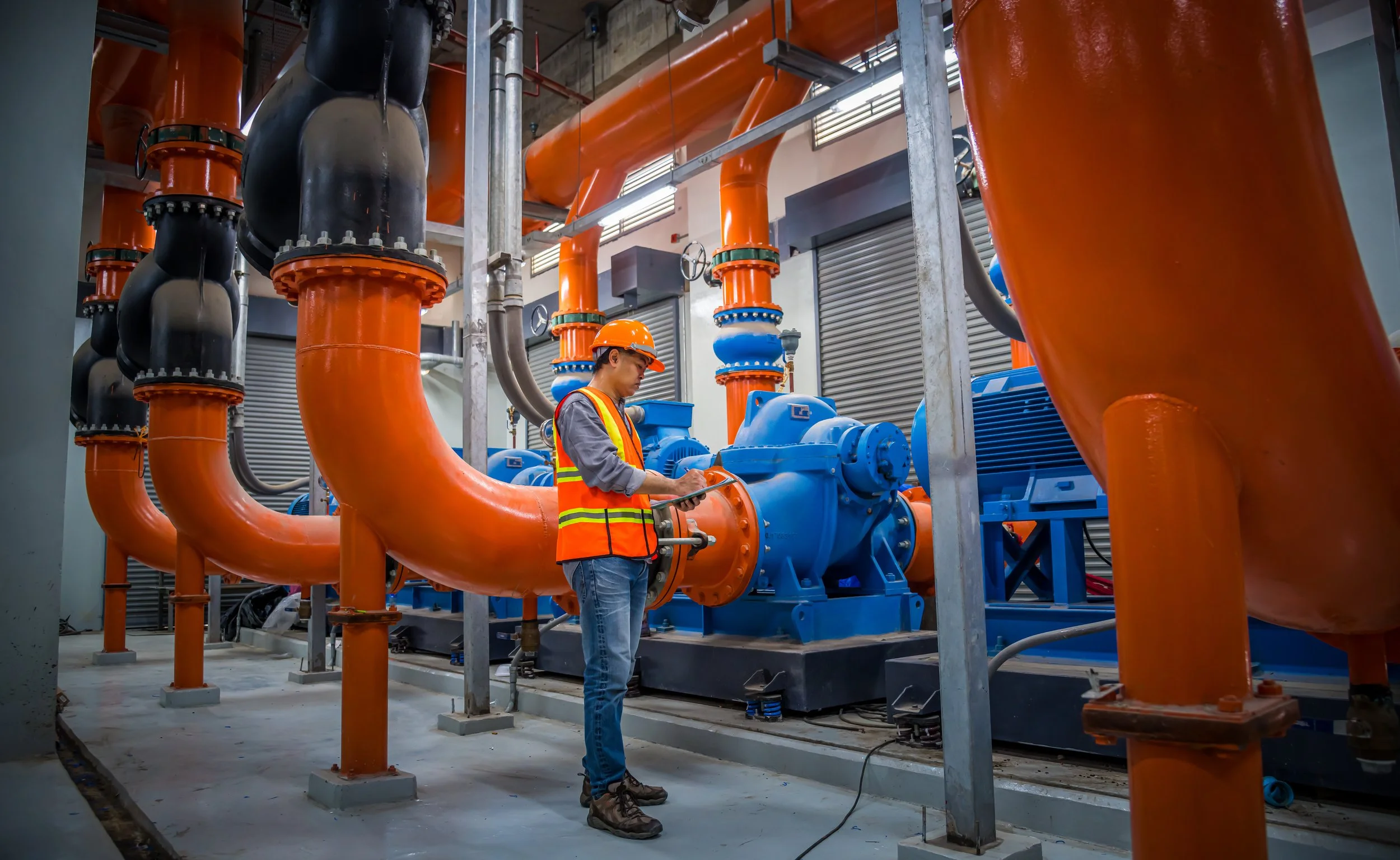
Water use is evaluated in two ways, direct on site use and indirect use associated with electricity production.
Energy and cooling systems across industrial and technology operations, energy production, and agricultural uses will incorporate low water technologies, closed-loop processes, and alternative approaches such as geothermal heat dissipation where applicable. These strategies reduce both the heat that must be managed and the water required to manage it, including through the ongoing evaluation of emerging technologies.
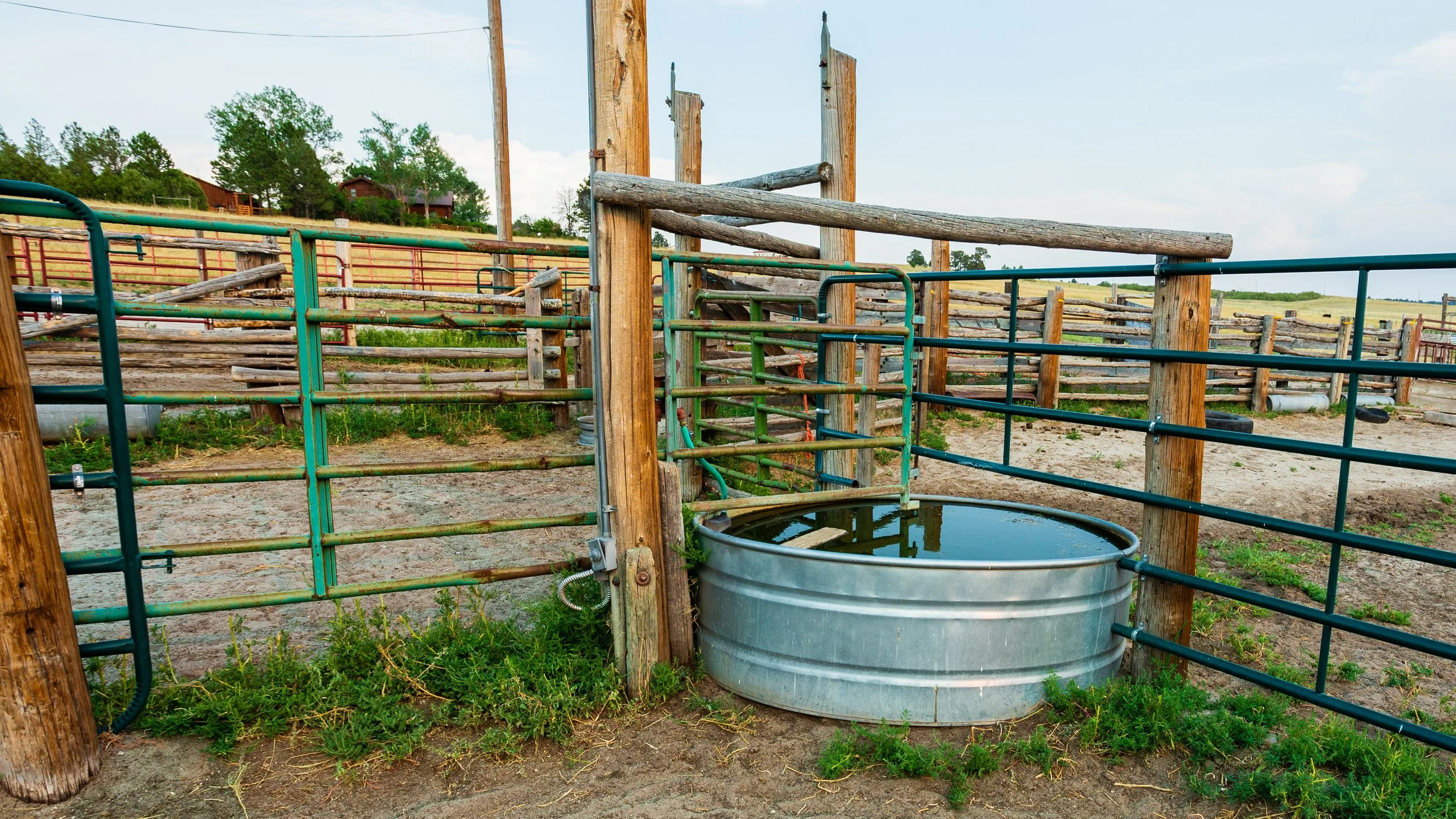
Through this integrated approach the project is designed as a controlled and measurable system rather than a resource intensive development.
It minimizes freshwater demand, reduces outdoor irrigation, promotes water reuse, and aligns industrial growth with responsible watershed management.
The result is a project that supports economic development, technology infrastructure, agriculture, and energy production while remaining compatible with surrounding land uses and minimizing impacts to the community.

Water and environmental impacts are a function of design, not scale. Scalable industrial development can be designed for efficiency and responsible resource use.
Colorado Plains Ranch is structured to deliver utility scale infrastructure with disciplined environmental performance, using modern engineering, closed loop systems, and integrated resource management to significantly reduce water use and protect long term regional resources.