Water Conservation & Stewardship
The project is being planned around a comprehensive water stewardship strategy intended to protect regional water resources, minimize potable demand, and maximize reuse opportunities. This approach is consistent with the model used for similar projects, where potable water is provided for indoor use, wastewater is collected and treated, and the cleaned effluent is stored and reused for outdoor non potable irrigation.
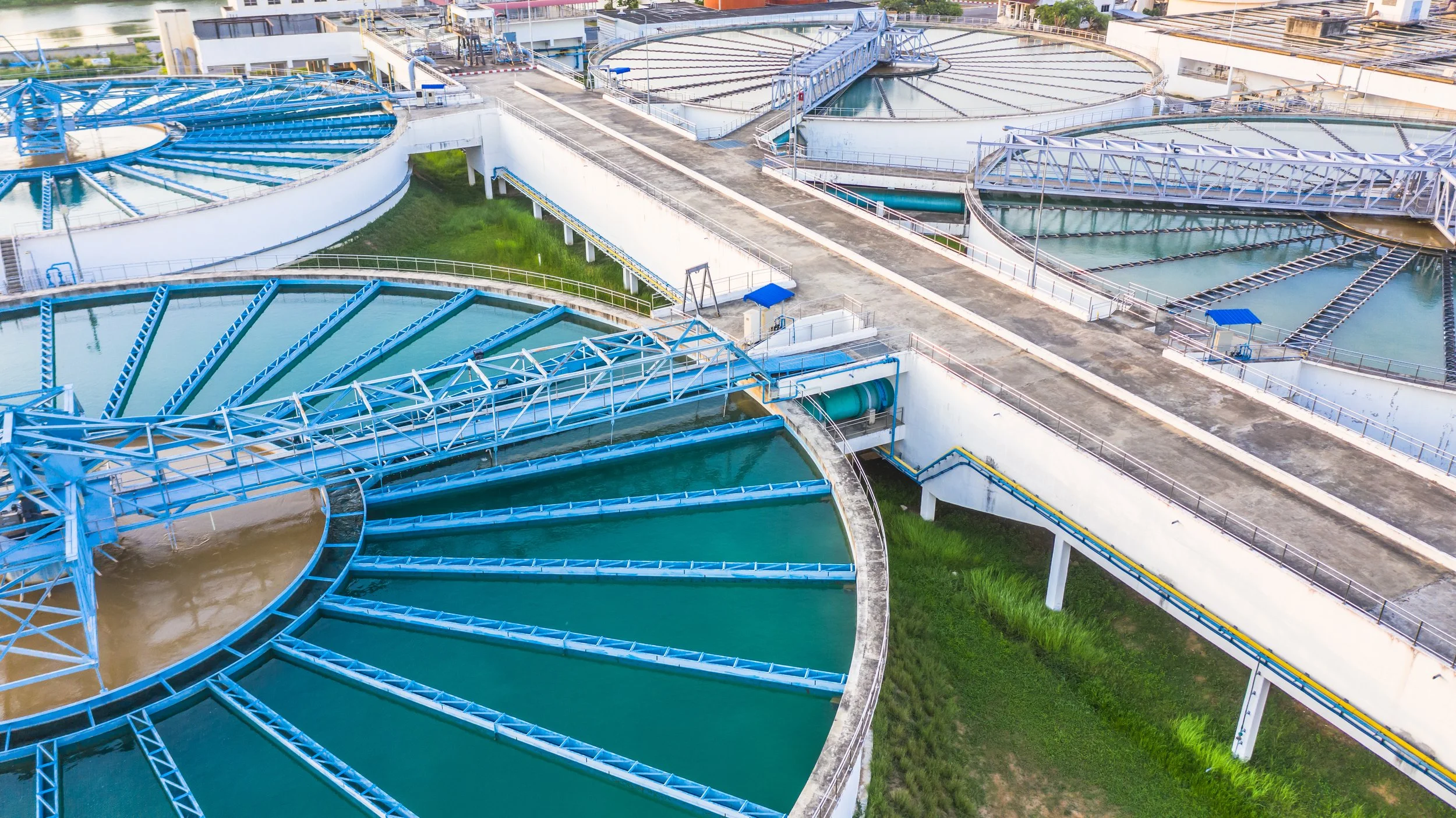
That same circular water philosophy applies to this industrial campus.
Outdoor irrigation will be minimized through low water landscape design, native planting, and limited irrigated areas. Industrial operations will be required, where feasible, to use closed loop systems, recycled process water, and non potable supplies in place of fresh potable water.
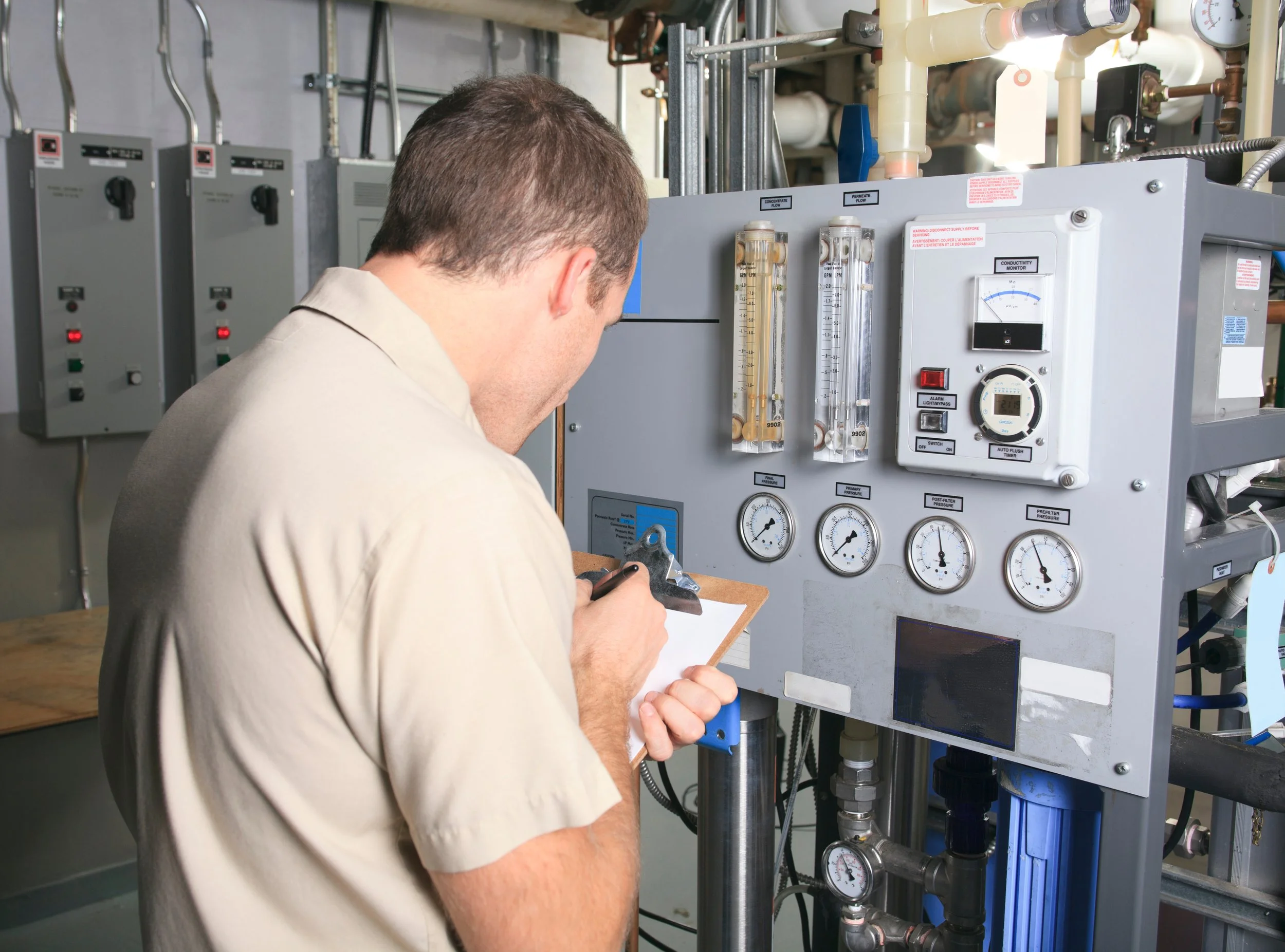
For industrial uses, water demand is primarily a function of cooling system design, not occupancy.
The project is intended to support light manufacturing, digital storage, electronics assembly and data processing and will be designed around advanced cooling architectures that materially reduce (or nearly eliminate) evaporative water consumption, including dry cooling, closed loop thermal systems, and high temperature liquid cooling systems. When water is required, the project will prioritize reclaimed or recycled water sources to the extent available and commercially practical.
This approach is important because modern industrial facilities use water in two distinct ways: direct on-site water for cooling and indirect water associated with electricity production. By coordinating both the industrial facility design and the power generation strategy, the project is intended to reduce both direct and indirect water impacts.
In practical terms, modern best in class-facilities, such as those envisioned for the property, can operate with a fraction of the water intensity associated with older evaporative designs, and next generation cooling systems can reduce cooling water demand to near zero. The project is being designed as a controlled, measurable, and highly engineered campus that minimizes freshwater demand, reduces outdoor irrigation, promotes water reuse, and aligns long term industrial growth with responsible watershed management.

Water impact is a function of design, not scale.
This project is committed to low water, closed loop systems that materially reduce consumption while maintaining high performance infrastructure.
Bottom Line
Large scale industrial centers can be water intensive only if designed that way.
This project is structured to deliver utility scale digital infrastructure with disciplined, low water performance through modern engineering and system design.
Water use assumptions for facilities using power at 200MW increments:
Continuous operation at full load
8,760 hours per year
Residential equivalent: 0.25 acre feet per home annually
Cooling scenarios:
Conventional: ~0.30 L per kWh
Closed loop target: near zero evaporative use, modeled at ~0.03 L per kWh equivalent for minor losses
Project Commitment
This project is being designed to:
Avoid traditional high consumption evaporative cooling where feasible
Utilize closed loop and air cooled systems as the primary design standard
Minimize potable water demand
Prioritize reclaimed and non potable water sources
Align industrial development with long term watershed sustainability