Sectors
-
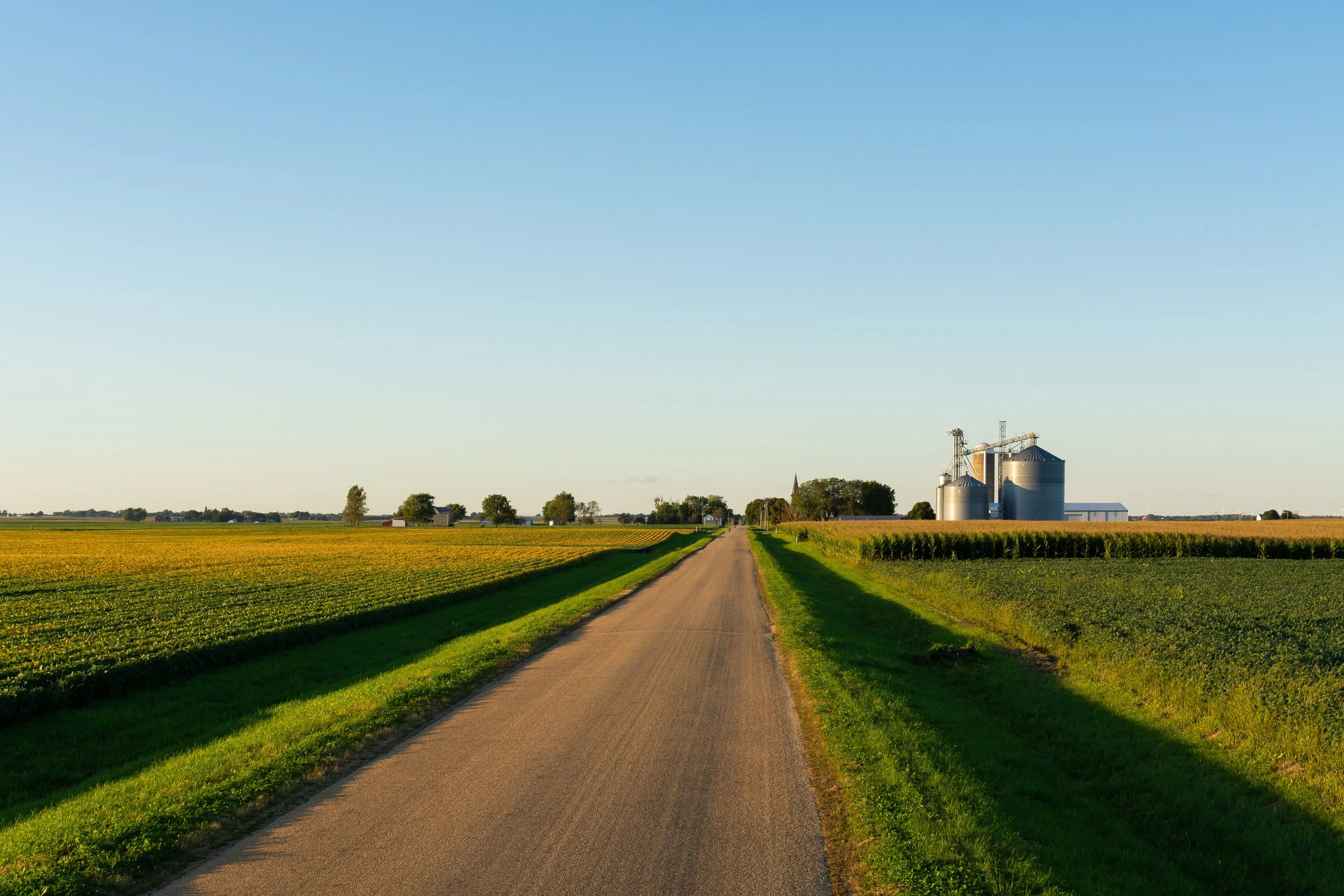
The first sector focuses on continuing and expanding agricultural uses through an integrated industrial agriculture model. Ranching and farming activities remain an important part of the property and include cattle grazing, crop production, and soil regeneration operations.
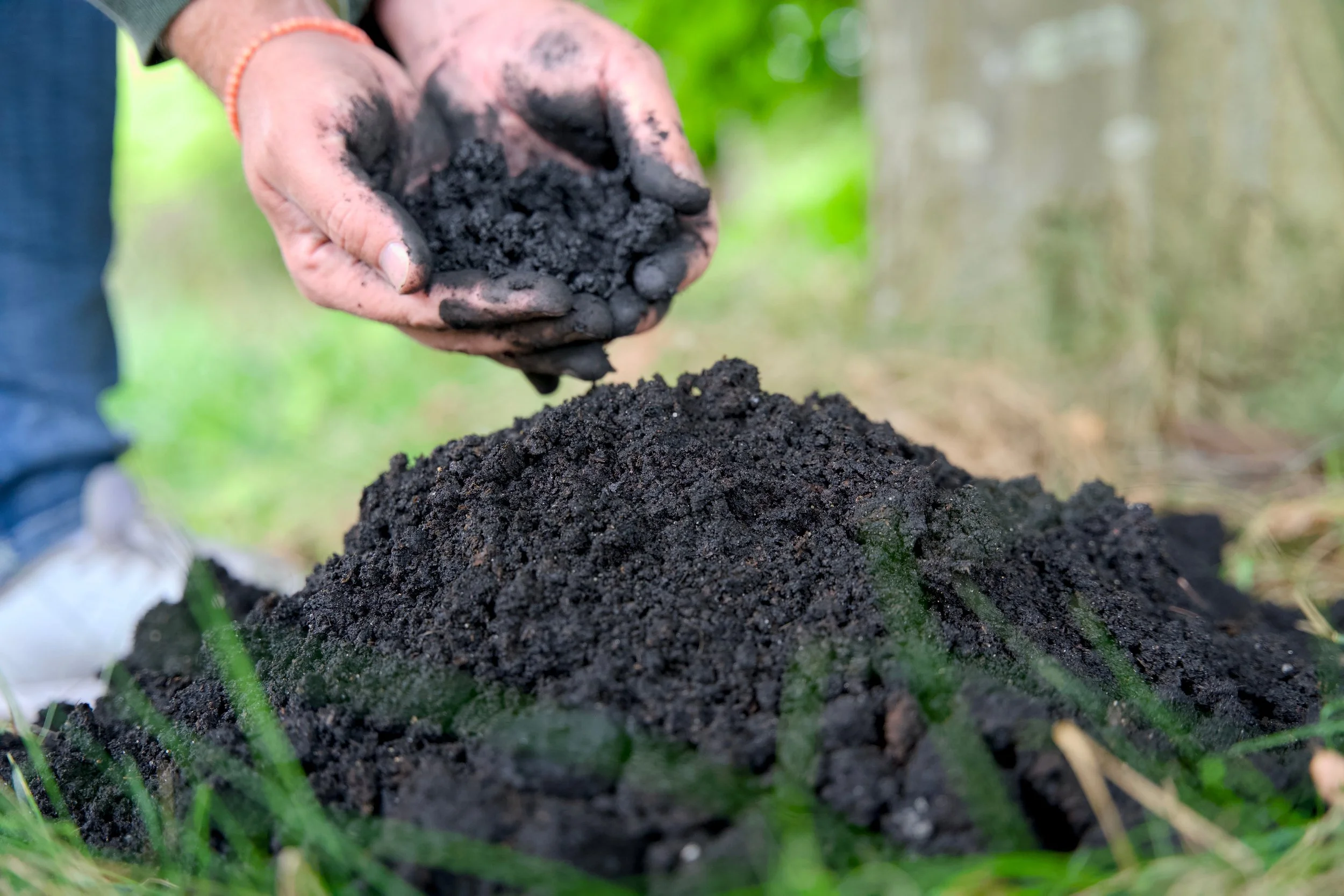
One potential concept for the property is a circular agricultural system in which cattle operations, biochar production, and crop farming support each other. Wood byproducts and agricultural waste can be converted into biochar. Biochar production converts organic material into a stable soil amendment that improves soil structure, increases water retention, and supports crop productivity over time. Once added to the soil, the biochar can then be combined with manure to improve soil health and increase crop productivity, creating a regenerative agricultural cycle on the property.
-
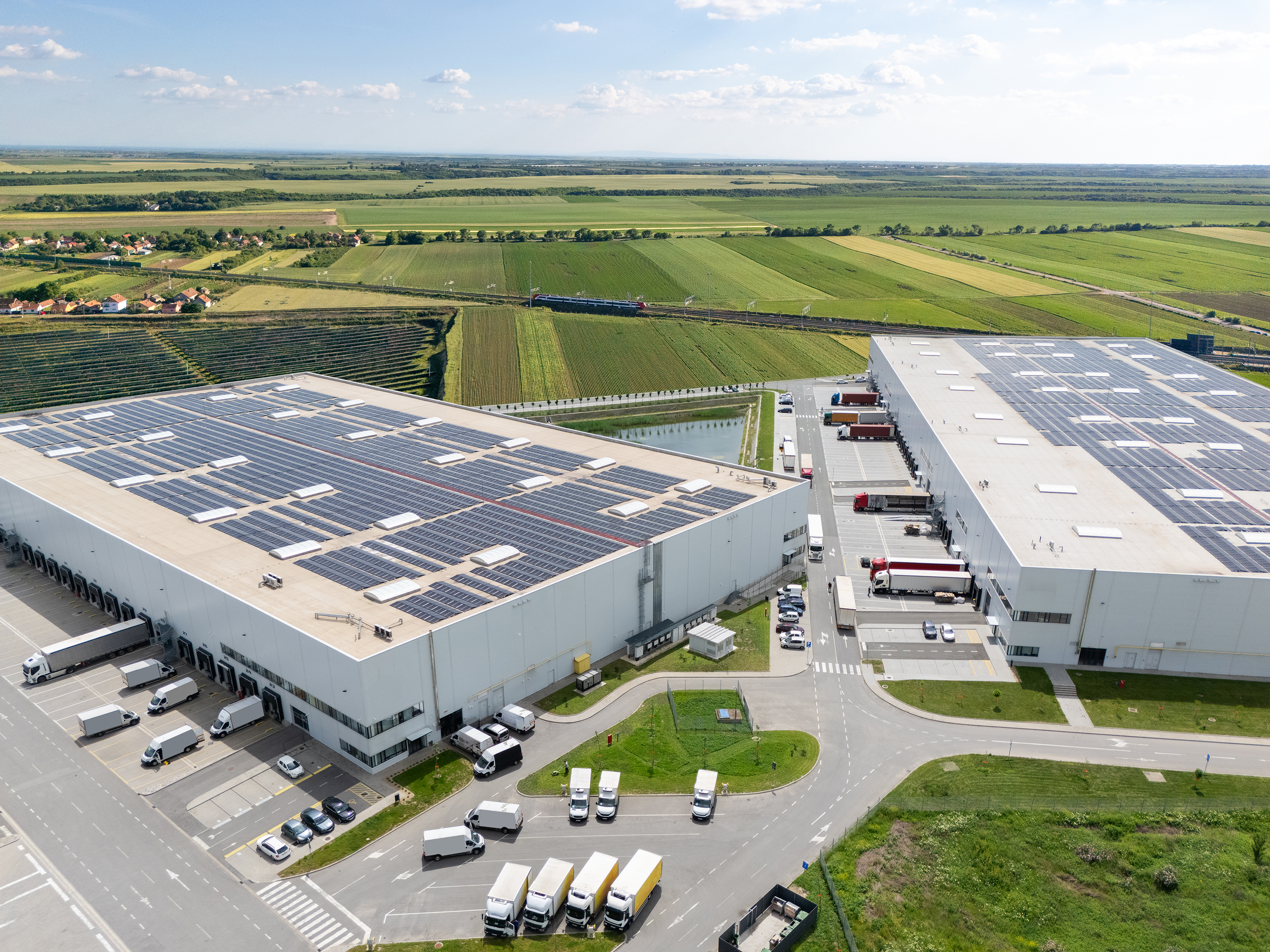
The second sector focuses on industrial uses with an emphasis on technology infrastructure and manufacturing. This category is designed to attract modern, technology driven operations that require access to power infrastructure and proximity to logistics networks, while also accommodating a limited range of uses that rely on truck and rail transportation. These activities would be centrally located within the property with substantial buffering from neighboring properties to ensure compatibility. Examples of potential use types include:
Agricultural processing facilities
Industrial equipment manufacturing and assembly
Robotics manufacturing and assembly
Energy storage and battery assembly
Artificial intelligence computer infrastructure
Semiconductor packaging and testing
Electronics assembly and communications equipment manufacturing
Industrial automation equipment manufacturing
Precision machining and additive manufacturing facilities
Data processing and digital storage facilities
Federal data processing and digital facilities (Not including Immigration and Customs Enforcement)
Data centers and cloud computing facilities
Building material manufacturing such as concrete products or prefabricated construction materials
-
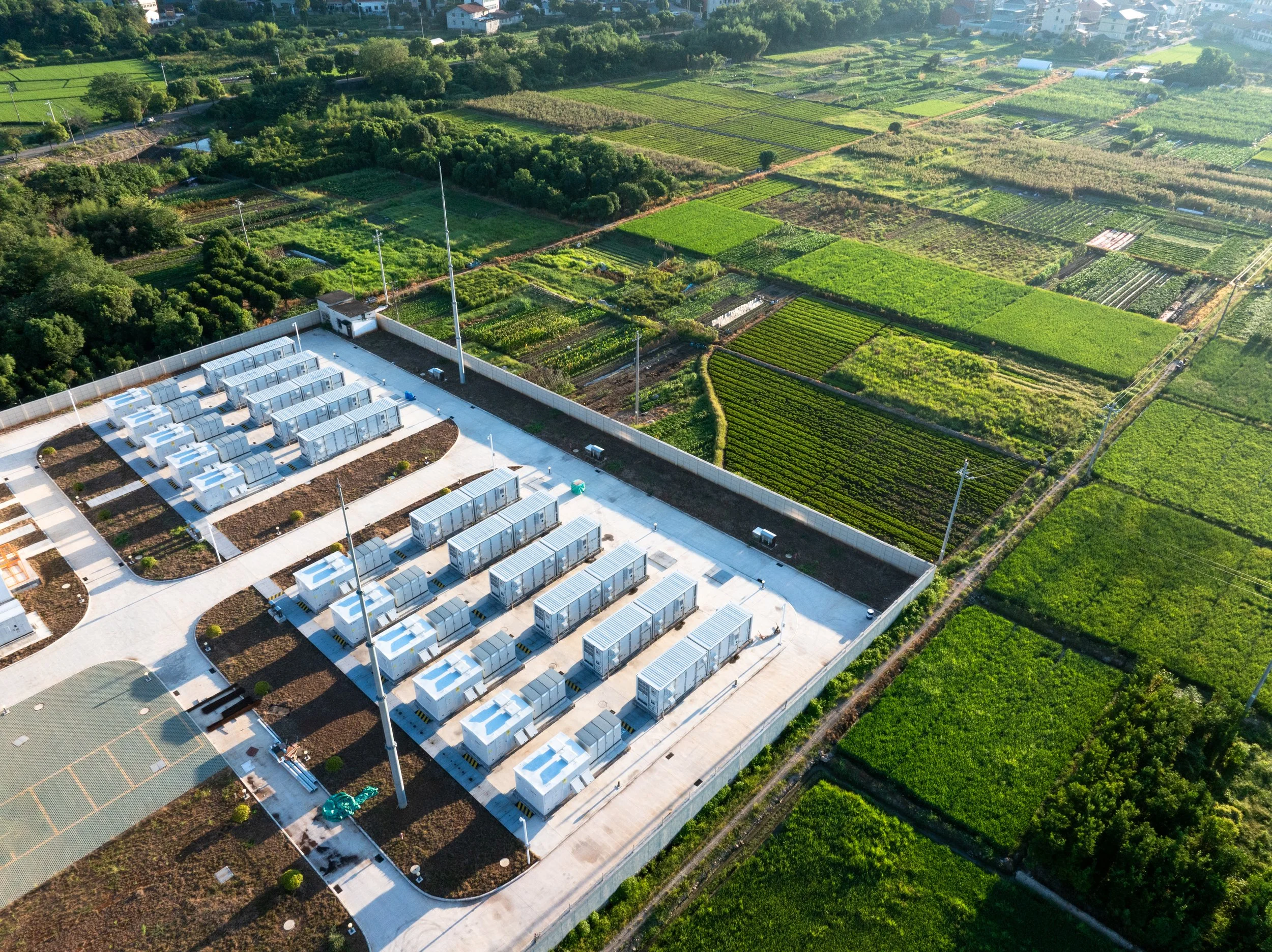
The third sector focuses on energy generation and storage uses that would utilize the property’s transportation access, and proximity to supporting infrastructure. These facilities would be located toward the center of the property and designed with substantial buffering from surrounding areas to ensure compatibility with adjacent properties. Examples of potential use types include:
Natural gas power generation and related energy infrastructure
Solar energy generation
Energy storage facilities supporting grid reliability
Carbon capture and sequestration
Hydrogen production and energy technology facilities
-
The final sector focuses on the development of a transportation hub to create opportunities for businesses requiring proximity to I-70, rail, and State Highway 86. Existing infrastructure can support a wide range of distribution dependent businesses that benefit from bulk transportation and large equipment handling. Examples of potential use types include:
Agricultural product handling and grain transload facilities
Biochar fertilizer and soil amendment distribution
Feed mills and livestock feed processing
Lumber and building material distribution yards
Steel and construction material transload facilities
Energy equipment storage and staging yards
Rail served logistics and bulk commodity transfer facilities
Intermodal container transfer yards
Equipment laydown yards for infrastructure and construction projects